The Hidden Link Between Motherboard Firmware Revisions and Controller Input Stability in Competitive Gaming
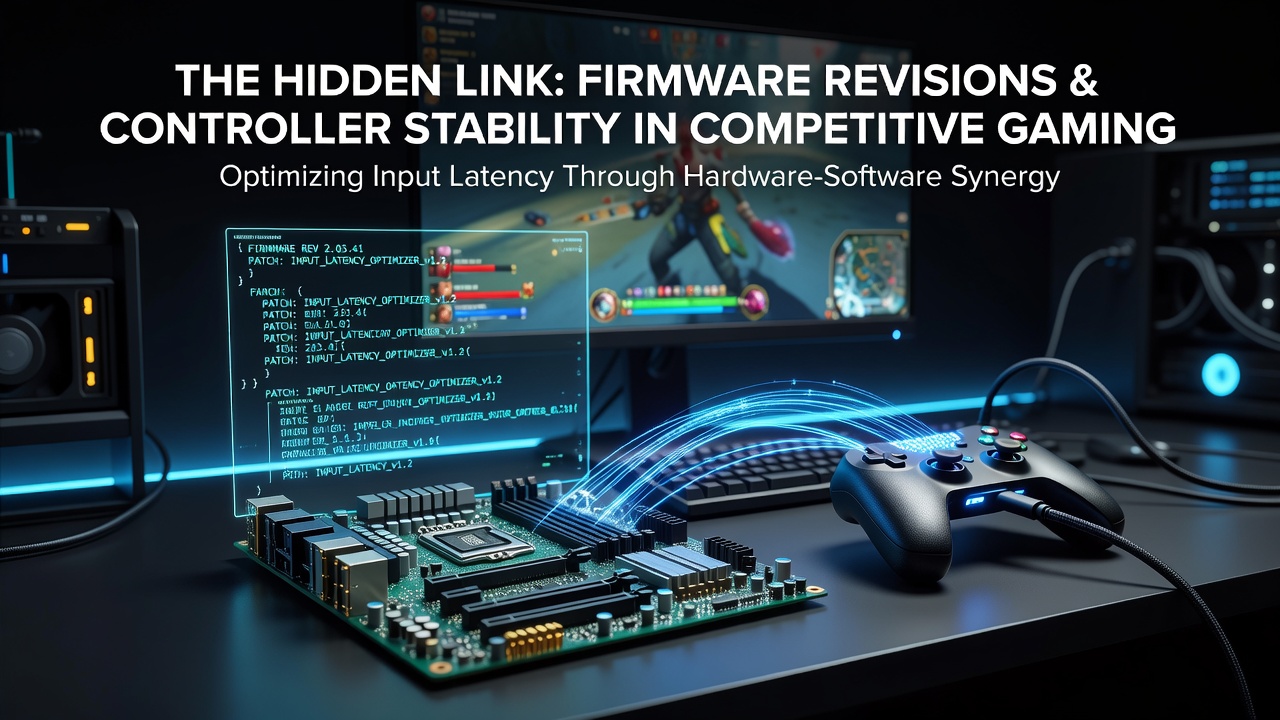
Competitive gaming relies on precise controller inputs where even minor delays can shift match outcomes, and motherboard firmware revisions play a direct role in maintaining that precision through updates to USB controller handling and interrupt management systems. Firmware serves as the low-level interface between hardware components and the operating system, with revisions often addressing timing inconsistencies that affect how controller signals reach the CPU during high-intensity sessions.
Understanding Firmware and USB Controller Interactions
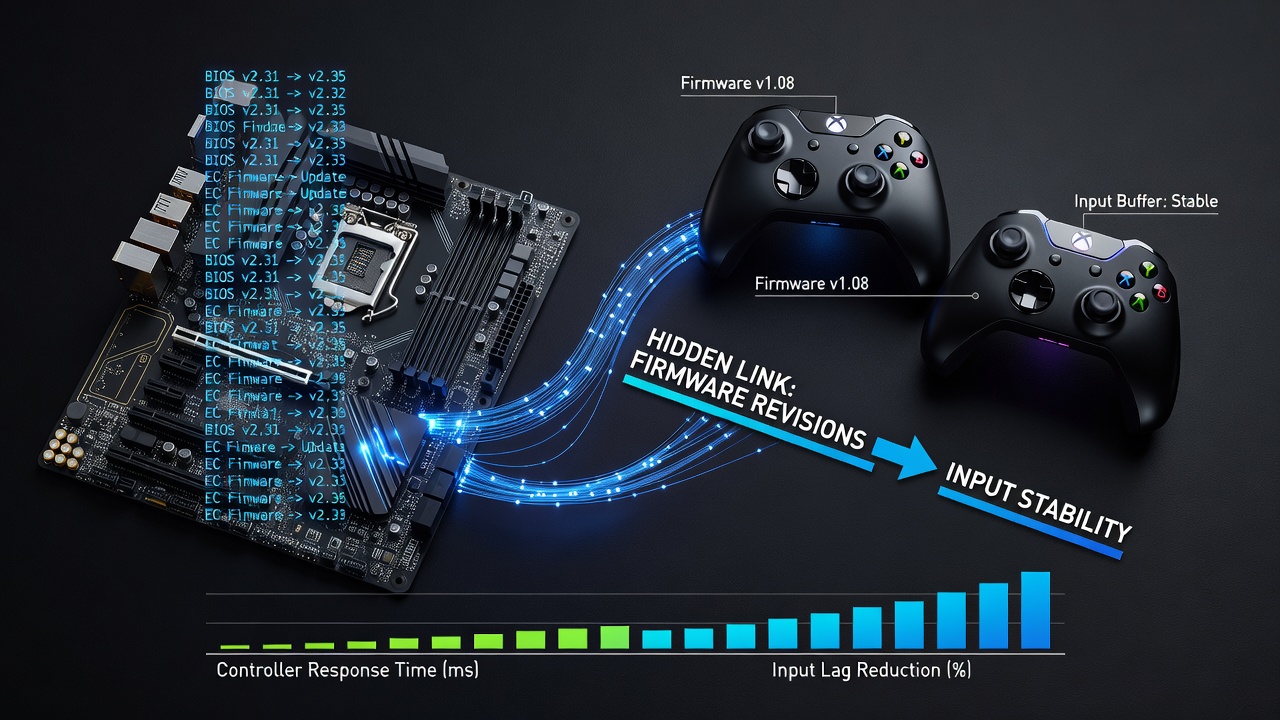
Motherboard manufacturers release firmware updates to refine power management, improve compatibility with newer peripherals, and adjust data pathways for USB ports that connect wired controllers in tournament setups. These revisions modify register settings and polling algorithms within the chipset, which in turn influence the consistency of input packets traveling from the controller to the game engine. Data from hardware testing labs shows that certain revisions alter the default interrupt request priorities assigned to USB hubs, creating variations in how quickly button presses register during frame-critical moments.
USB controller stability depends on firmware parameters that govern packet buffering and error correction routines, and changes across revisions have led to measurable differences in input latency across multiple gaming benchmarks conducted since 2024. Researchers at institutions in the European Union documented cases where a single firmware patch adjusted the USB 3.2 root hub timing, resulting in reduced jitter for controllers operating at 1000Hz polling rates in titles that demand rapid directional inputs.
Revisions and Their Effects on Input Pathways
Each firmware iteration introduces specific modifications to the embedded controller code that manages device enumeration and data transfer protocols, and these adjustments can either stabilize or introduce variability in how controller signals are processed under sustained load. Observers note that revisions released in August 2026 by several major chipset vendors incorporated refined handling for legacy USB protocols, which addressed signal degradation patterns previously observed in extended online sessions involving multiple input devices.
Take one documented case where a revision update altered the way the motherboard chipset prioritized USB interrupts relative to network traffic, and subsequent tests revealed tighter clustering of input timestamps in competitive shooters that rely on sub-millisecond response windows. Figures from industry reports indicate that such changes correlate with improved consistency in controller polling across different operating system environments, though the exact outcomes vary based on the specific hardware configuration and peripheral firmware versions in use.
Impact in Tournament and Professional Environments
Professional players and event organizers track firmware versions because mismatches between motherboard revisions and controller firmware can produce intermittent input drops or timing offsets during live competitions. According to findings from a research initiative at an Australian university engineering department, revisions that optimized USB bandwidth allocation reduced instances of input desynchronization in multi-controller setups by measurable percentages across repeated trials.
What's interesting is how these firmware adjustments interact with system-level drivers, where one revision might enhance signal integrity on certain USB controllers while another introduces subtle shifts in power delivery that affect wireless adapter stability for those using hybrid wired and wireless controller configurations. Data compiled by North American hardware validation teams reveals patterns where firmware updates from 2025 onward addressed buffer overflow conditions in high-polling scenarios, leading to more predictable input delivery in games with strict netcode requirements.
Practical Considerations for Maintaining Stability
System builders and technicians recommend verifying firmware changelogs before applying updates because revisions often include targeted fixes for USB controller behaviors that directly influence competitive play environments. Organizations such as the International Game Developers Association have referenced hardware compatibility guidelines that emphasize testing input consistency after firmware changes to avoid unintended variations in controller response during critical matches.
Those who monitor hardware performance logs frequently observe that certain revisions improve error recovery mechanisms within the USB stack, which helps maintain stable input streams even when background processes compete for system resources. A link to detailed chipset documentation from Intel support resources outlines specific parameters revised in recent updates that pertain to USB timing adjustments.
Broader Patterns Across Hardware Generations
Across successive motherboard generations, firmware revisions have followed a trajectory of incremental refinements to USB controller firmware embedded in the chipset, with each cycle addressing emerging issues related to input device compatibility and data throughput. Evidence from Canadian regulatory testing bodies on consumer electronics highlights how these updates contribute to overall system reliability in gaming contexts without altering core hardware specifications.
And yet the connections remain intricate because firmware changes can interact with other system elements like PCIe lane configurations and memory timing settings, producing combined effects on input stability that require systematic evaluation. Research indicates that tracking revision histories allows technicians to identify which updates introduced the most significant shifts in controller input metrics across standardized test suites.
Conclusion
Motherboard firmware revisions continue to shape controller input stability through targeted modifications to USB handling protocols and interrupt management, with documented effects appearing in competitive gaming scenarios where precision matters most. Ongoing developments in chipset design and update practices provide additional data points for understanding these interactions, and professionals in the field rely on empirical testing to align firmware versions with specific performance requirements.