Tackling Electromagnetic Interference from Nearby Appliances That Scrambles Wireless Headset Signals During Marathon Online Sessions
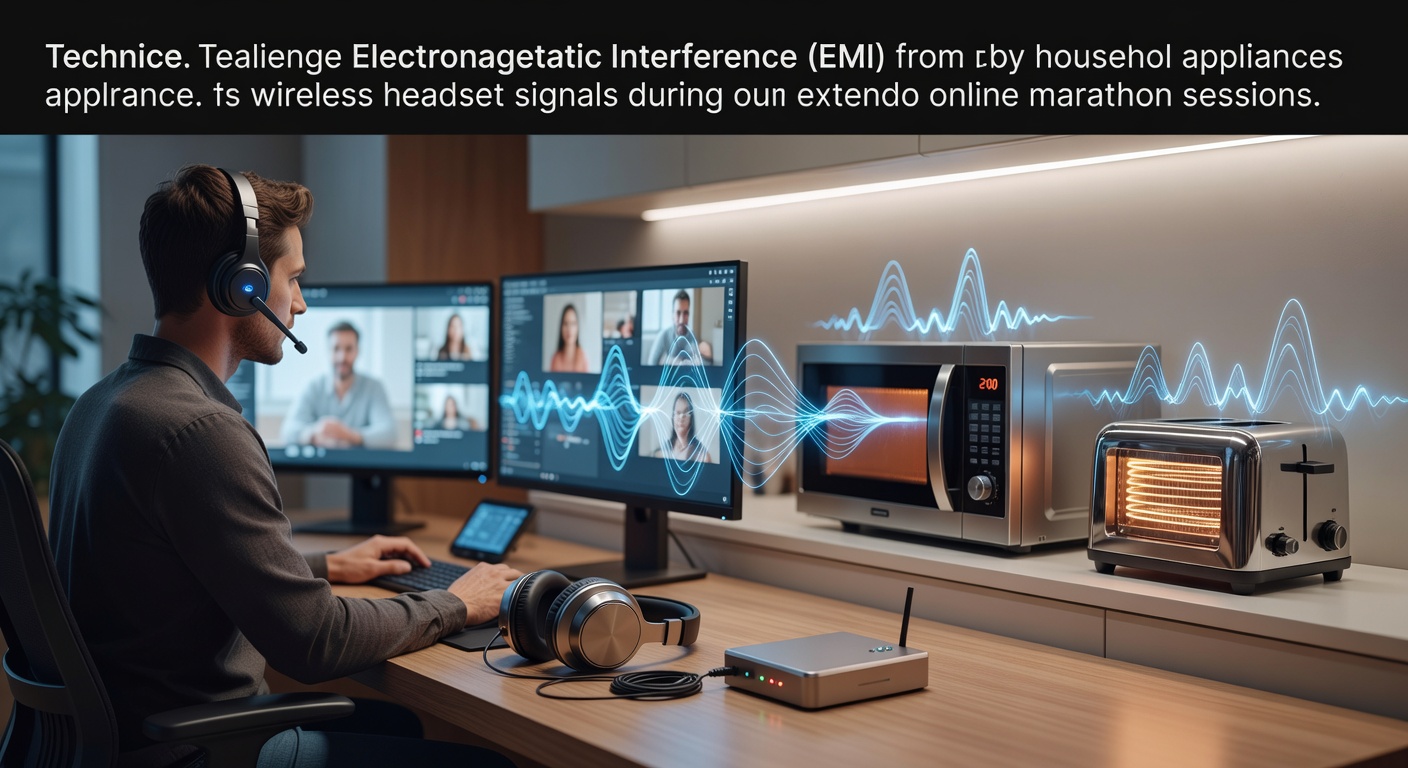
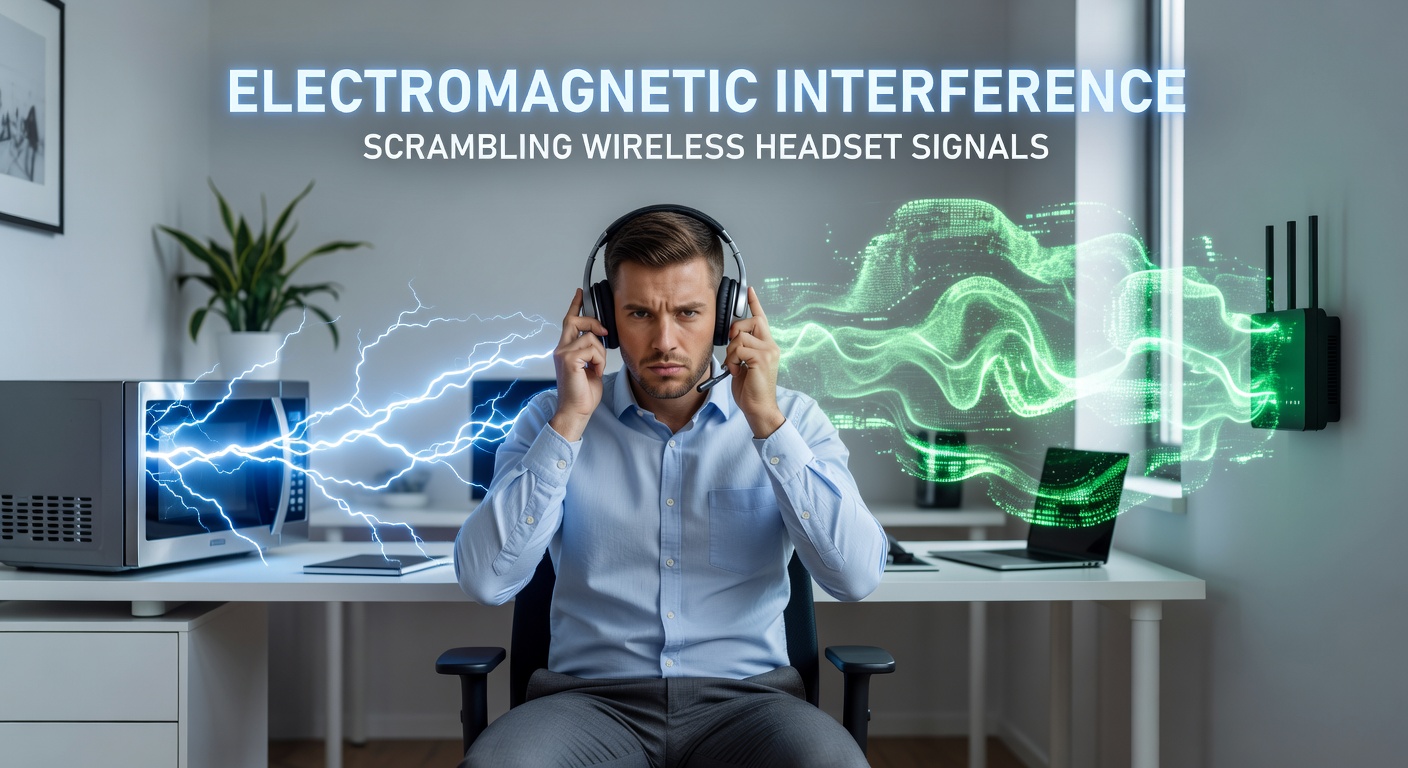
Electromagnetic interference arises when devices operating in shared frequency bands disrupt wireless transmissions, and many household appliances generate fields that overlap with the 2.4GHz spectrum used by most wireless headsets. Microwaves, cordless phones, older Wi-Fi routers, and even certain refrigerators emit signals that create noise floors high enough to fragment audio packets during extended gaming sessions. Observers note that these disruptions intensify when multiple appliances cycle on simultaneously, producing bursts of static or complete dropouts that interrupt voice communication and game audio.
Understanding Frequency Overlap and Signal Disruption
Wireless headsets relying on 2.4GHz ISM bands share spectrum space with common kitchen and living-room equipment, so microwaves operating near 2.45GHz leak radiation that collides with headset receivers. Data from regulatory measurements show that leakage levels vary by appliance age and shielding quality, with older models often exceeding modern emission limits. Researchers at technical institutions have documented how these overlapping signals raise bit-error rates, forcing headsets to retransmit packets and introducing noticeable latency spikes. People who monitor signal strength during long sessions frequently record sudden drops precisely when a microwave activates or a refrigerator compressor engages.
Identifying Culprits in Typical Home Environments
Common sources include microwave ovens that emit during cooking cycles, cordless phones using DECT protocols, and certain smart appliances with always-on wireless modules. Studies reveal that even LED lighting drivers and switched-mode power supplies in nearby rooms contribute broadband noise that accumulates over time. Those who have mapped their home environments discover interference peaks near kitchen areas or laundry rooms where appliances cluster. In May 2026, updated spectrum reports from international bodies highlighted continued growth in consumer electronics density, which correlates with increased complaints about wireless audio instability in residential settings.
Take one documented case where experts traced intermittent audio loss to a basement freezer whose motor startup created transient spikes every fifteen minutes. Spectrum analyzers captured these events as elevated noise floors lasting several seconds, enough to scramble ongoing headset transmissions. Similar patterns appear in apartments where neighboring units share walls with high-power devices, allowing fields to propagate through building materials.
Practical Steps for Reducing Interference Effects
Users can begin by repositioning headsets and base stations away from appliance clusters, since physical distance weakens field strength according to inverse-square relationships. Switching headset channels to less crowded segments within the 2.4GHz band often restores stable connections, although this requires checking available frequencies through device software. Some models support automatic frequency hopping that adapts in real time, yet manual verification still proves effective when persistent issues remain.
Ferrite beads placed on headset cables and power cords suppress conducted emissions that travel along wiring. Observers report that adding these simple components around USB cables connected to wireless dongles reduces noise pickup without altering audio quality. Upgrading to headsets operating in 5GHz or 5.8GHz bands moves transmissions outside the primary interference zone occupied by most household appliances. Industry reports indicate that dual-band devices maintain clearer links when 2.4GHz congestion becomes severe.
Advanced Mitigation Techniques and Standards Compliance
Shielding enclosures around sensitive receivers or applying conductive tape to seams in headset housings provide additional barriers, although these modifications must preserve ventilation to avoid heat buildup. According to guidelines published by the Federal Communications Commission, maintaining proper separation distances between transmitters and potential interferers minimizes risk. European research institutions have published similar findings emphasizing compliance with updated emission standards that limit appliance leakage in residential zones.
Power-line filters installed at outlet points further attenuate conducted interference traveling through electrical wiring. Those who tested such filters in controlled home setups measured reductions in packet loss rates during simultaneous appliance operation. When wireless solutions prove insufficient, wired headset alternatives eliminate the radio-frequency pathway entirely, delivering uninterrupted audio regardless of nearby electromagnetic activity.
Conclusion
Addressing electromagnetic interference requires systematic identification of overlapping frequency sources followed by targeted adjustments in placement, hardware selection, and supplementary filtering. Data collected across multiple residential studies confirm that combining distance management with channel optimization and selective upgrades restores reliable headset performance during prolonged sessions. Continued monitoring of spectrum usage patterns helps anticipate emerging conflicts as household device counts increase.