IRQ Balancing Techniques for Reducing Input Lag in High-Performance Gaming Stations
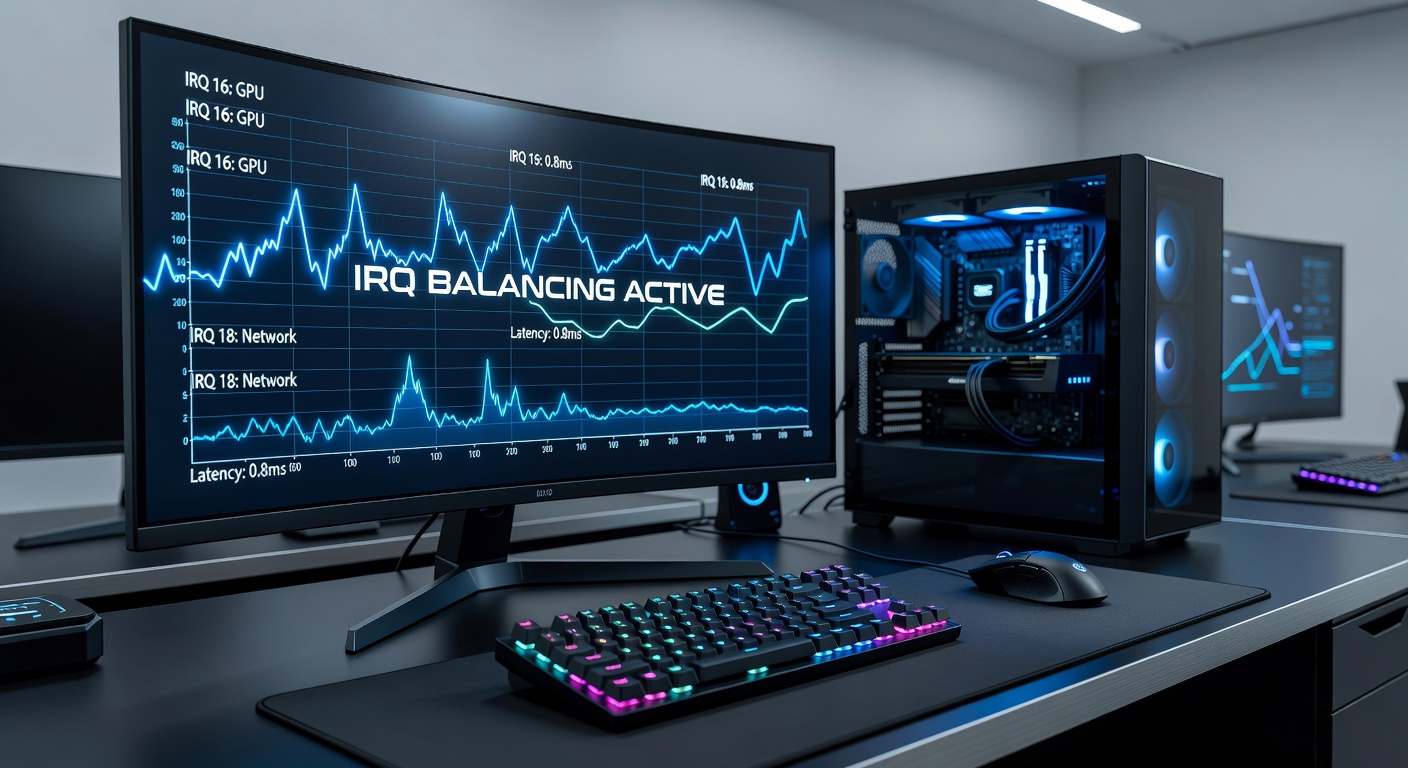
High-performance gaming stations rely on precise interrupt handling to maintain low input lag, and IRQ balancing distributes these requests across processor cores to prevent bottlenecks that delay signal processing from keyboards, mice, and controllers. Interrupt requests serve as hardware signals that notify the CPU of incoming data from peripherals, yet uneven distribution often concentrates load on a single core and creates measurable delays in frame response times. Observers note that gamers who experience consistent input lag frequently trace the issue back to default IRQ assignments that fail to account for multi-core architectures common in modern systems.
Core Concepts Behind IRQ Management
Processors handle interrupts through dedicated lines that trigger context switches, and when multiple devices compete for the same core the resulting queue buildup extends the time between user action and on-screen reaction. Data from hardware monitoring tools shows that balanced IRQ assignments can reduce average interrupt latency by reallocating tasks to idle cores, particularly in configurations running at high polling rates. Researchers have documented cases where single-core saturation during intense gaming sessions produced input delays exceeding 10 milliseconds, whereas redistribution across available cores lowered those figures without requiring hardware changes.
Modern motherboards support advanced interrupt routing through technologies such as MSI-X, which allows devices to use multiple interrupt vectors instead of sharing limited legacy lines, yet operating system defaults sometimes override these capabilities and leave performance on the table. Those who've examined system logs during extended play sessions often discover that network adapters and USB controllers cluster on the same core when automatic balancing remains disabled, creating the exact conditions that amplify perceived lag in competitive titles.
Practical Balancing Methods for Gaming Hardware
Software utilities such as irqbalance automate the process by periodically scanning device activity and migrating interrupts to less utilized cores, and system administrators can enable this service through standard package managers on Linux distributions while Windows users rely on registry adjustments or third-party affinity tools. Manual configuration involves examining current IRQ assignments via command-line utilities, identifying high-traffic devices like GPUs and Ethernet controllers, then setting processor affinity masks to spread the load evenly. Evidence suggests that combining these approaches yields the most consistent results across different hardware generations, especially when users update chipset drivers to support newer interrupt routing standards.
As of June 2026 several processor families incorporate enhanced hardware support for dynamic interrupt steering, allowing the system to adjust assignments in real time based on workload telemetry rather than static tables. Technicians who apply these updates report smoother performance curves during benchmark testing, with input lag metrics stabilizing even under heavy multi-tasking loads that include streaming software and voice chat applications running alongside the primary game.
Integration with Peripheral Optimization
USB polling rates and controller firmware settings interact directly with IRQ pathways, so balancing efforts produce better outcomes when paired with firmware updates that reduce unnecessary interrupt generation from input devices. Studies conducted at institutions such as the University of Waterloo have examined how synchronized interrupt timing across multiple USB hubs prevents cascading delays that affect wireless peripherals in particular. Gaming stations equipped with multiple high-speed storage devices and network interfaces benefit further because balanced IRQ distribution frees cycles for storage controller operations that would otherwise compete for attention during large texture loads.
Network interface cards present a special case since their interrupts often spike during online matches, and spreading these across cores maintains consistent packet processing speeds that translate into more responsive gameplay. Figures from industry reports indicate that stations configured with affinity rules for Ethernet adapters experience fewer frame-time spikes compared to those relying on default round-robin scheduling alone.
Monitoring and Validation Approaches
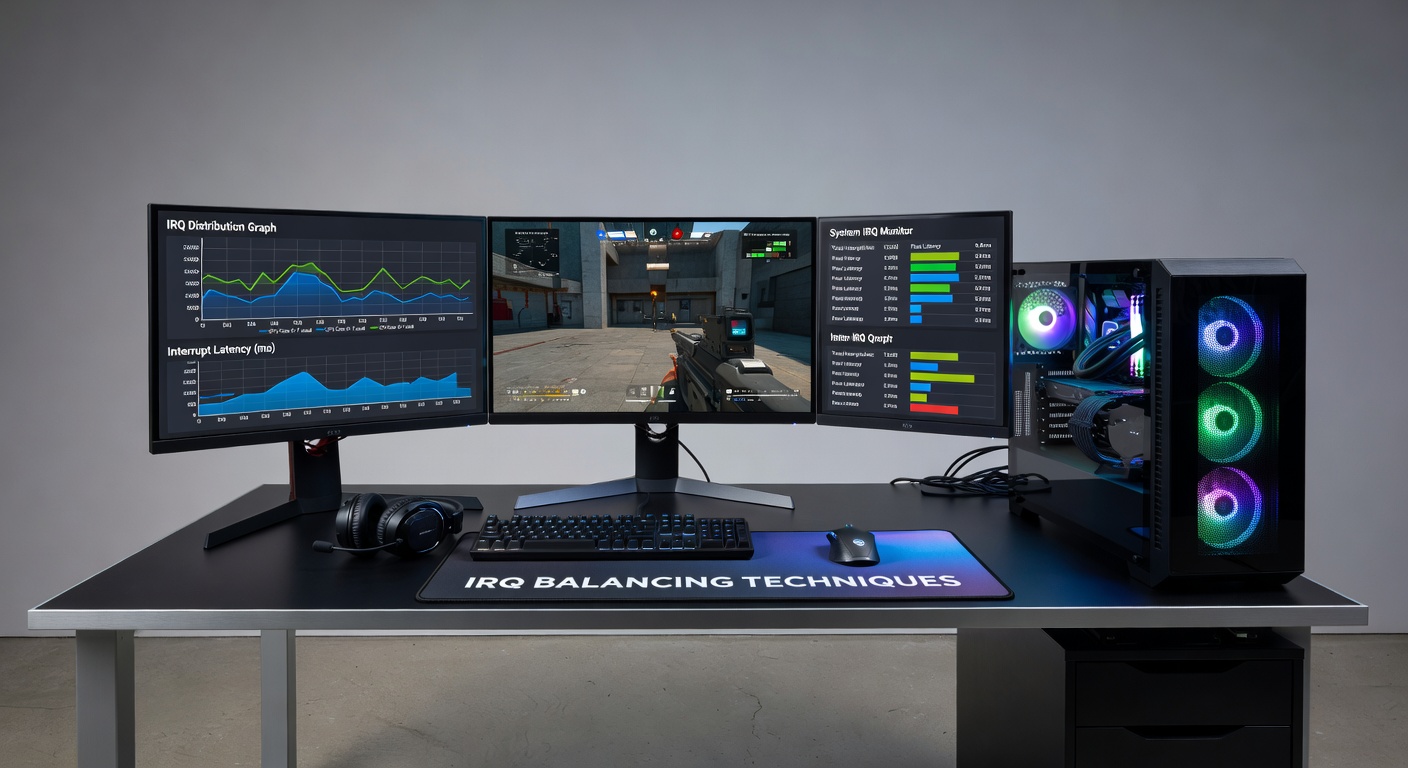
Performance validation requires tools that track both interrupt distribution and end-to-end input latency, allowing users to confirm that changes deliver measurable improvements rather than theoretical ones. Observers who collect data over multiple sessions note that core utilization graphs become more uniform after balancing, correlating with reduced variance in measured input response times across repeated tests. Regular checks of system event logs help identify when new devices or driver updates disrupt previous assignments and necessitate reapplication of affinity settings.
Conclusion
IRQ balancing techniques provide a software-level method for addressing input lag in high-performance gaming stations by ensuring interrupts receive appropriate processing resources across available cores. Implementation through automated utilities combined with targeted manual adjustments delivers reliable results when supported by current drivers and hardware features. Continued monitoring confirms that these methods maintain their effectiveness as system configurations evolve and new peripheral standards emerge.