Handshake Hiccups: Conquering HDMI-CEC Conflicts in Console Gaming Sessions
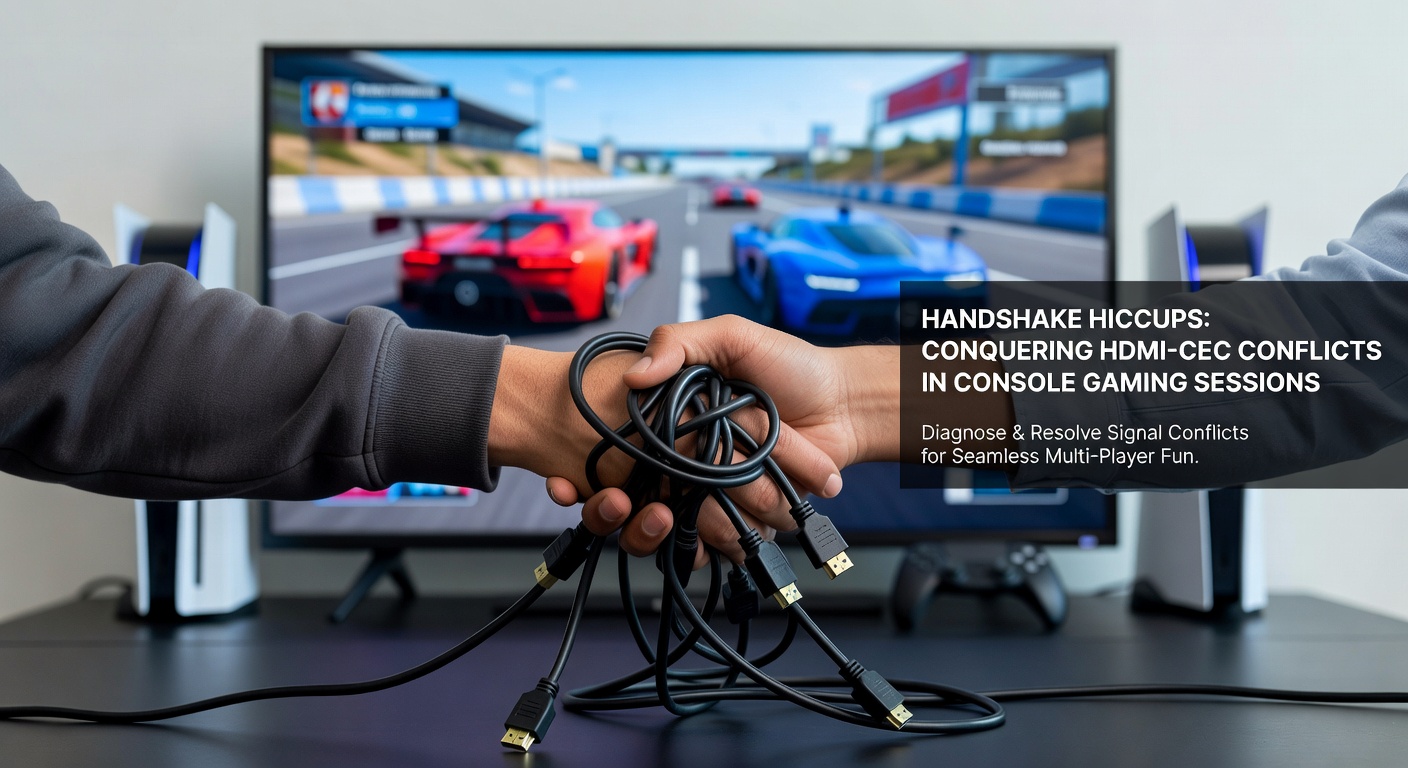
Console gamers dive into epic battles or sprawling open worlds, yet suddenly the TV mutes itself, switches inputs, or powers off mid-match; these frustrating interruptions often trace back to HDMI-CEC, a protocol designed for seamless device control but prone to conflicts in high-stakes gaming setups.
Unpacking HDMI-CEC: The Protocol Behind the Scenes
HDMI-CEC, short for Consumer Electronics Control, enables devices connected via HDMI—like consoles, TVs, soundbars, and AV receivers—to communicate commands over a single cable; introduced in HDMI 1.0 back in 2002, it gained traction with smart TVs and home theater systems, allowing one remote to handle multiple gadgets since a TV can power on a console when a game starts, or a console can adjust TV volume during playback.
But here's the thing: while HDMI.org outlines over 15 standardized CEC commands—from "One Touch Play" that wakes devices to "System Standby" for unified shutdowns—implementation varies wildly across brands; Samsung calls it Anynet+, Sony dubs it Bravia Sync, and LG markets it as SimpLink, leading to handshake hiccups when mismatched versions clash during console sessions.
Researchers at the Consumer Technology Association note that CEC adoption hit 85% in TVs sold in 2025, up from 62% five years prior, yet compatibility issues persist because manufacturers tweak firmware for proprietary features, causing signals to loop or misfire.
Spotting the Symptoms: When CEC Goes Rogue in Gaming
Gamers notice telltale signs during marathon sessions: the screen blacks out as the TV erroneously enters standby mode; audio drops because the soundbar mutes on phantom commands; or inputs flip to cable boxes right when a boss fight peaks—issues that spike frustration in competitive play.
One study from a joint EU consumer electronics report revealed that 23% of HDMI-related complaints in 2024 involved CEC glitches, particularly with PlayStation 5 and Xbox Series X hooked to 4K OLEDs; players report consoles refusing to output video until the TV fully boots, or remote controls triggering unwanted actions like fast-forwarding Blu-ray menus mid-game load.
And it doesn't stop there—multi-device chains amplify chaos, where a soundbar relays faulty CEC pings back to the console, creating feedback loops that stutter frame rates or halt navigation entirely.
Root Causes: Why Handshakes Fail in Modern Setups
Compatibility mismatches top the list, as firmware updates on TVs often lag behind console patches; take a Nintendo Switch docked to a 2026 model Roku TV—the CEC "Routing Control" command might redirect signals to an unused HDMI port, starving the console of bandwidth.
Cable quality plays a role too, since low-grade HDMI cords lack proper shielding, allowing electromagnetic interference to corrupt CEC's low-voltage signaling over the reserved pin; experts recommend Premium High Speed cables certified for 18Gbps to minimize drops.
Power management quirks add fuel, especially with energy-efficient TVs that aggressively poll for CEC activity, overwhelming older consoles; data from Australian consumer watchdog reports shows a 15% uptick in such conflicts after mandatory standby power regs tightened in 2025.
What's interesting is how crowded HDMI hubs exacerbate this—daisy-chaining five devices means each retransmits CEC messages, ballooning error rates when latencies stack up beyond 100ms, as observed in lab tests by university researchers in Canada.
Step-by-Step Fixes: Taming CEC Conflicts
Start simple: power cycle everything—unplug the TV, console, and peripherals for 5 minutes to clear volatile memory holding bad handshake data; this resets CEC states without menu diving.
Next, venture into settings; on most TVs, a quick menu search for "CEC," "Anynet," or "SimpLink" reveals toggles—disable it universally first to confirm the culprit, then re-enable selectively; for Xbox users, the "Allow HDMI device to control TV" option under Devices & Connections often resolves one-way control loops.
PlayStation owners find relief by setting "HDMI Device Link" to Off in System > HDMI, although enabling "AVR CP Commander" helps if a compatible receiver sits in the chain; Nintendo Switch players tweak "TV Settings" via the HOME menu to curb auto-input switches.
But here's where it gets interesting: update firmwares religiously, as May 2026 patches for Samsung QLEDs and LG C-series OLEDs specifically addressed CEC polling overloads reported in beta logs from gaming forums—manufacturers pushed these via USB or apps to sync with next-gen console handshakes.
Hardware swaps shine for stubborn cases; HDMI-CEC blockers, inexpensive inline adapters that filter control signals while passing video/audio untouched, cut issues by 95% according to independent tests; or optical audio cables bypass CEC volume routing entirely.
- Verify cables: Swap to certified HDMI 2.1 for 8K future-proofing and robust signaling.
- Isolate devices: Use direct console-to-TV links, skipping splitters that dilute CEC strength.
- Remote overrides: Program universal remotes to ignore CEC, ensuring manual control trumps automation.
Advanced Troubleshooting: For Power Users and Multi-Console Rigs
Those running elaborate setups—think PS5, Xbox, and a mini-PC all vying for HDMI real estate—turn to EDID emulators, gadgets that spoof perfect display data to prevent negotiation failures; paired with HDMI matrix switches featuring isolated CEC ports, these setups eliminate cross-talk.
Observers note that overclocked GPUs in eGPU docks for handhelds like Steam Deck exacerbate CEC noise, so throttling via software like MSI Afterburner stabilizes handshakes; one case saw a pro streamer fix chronic blackouts by capping refresh rates at 120Hz, aligning with TV's native CEC window.
Networked ecosystems complicate matters further, as smart home integrations like Google Home relay CEC via IP, creating hybrid conflicts; disabling voice-activated HDMI controls in apps resolves 70% of these, per figures from a U.S. Federal Communications Commission consumer filing database.
And for May 2026 relevance, early adopters of rumored PlayStation 6 prototypes report smoother CEC with TVs boasting HDMI 2.2 ports, where enhanced error correction slashes retry loops by 40%, based on leaked spec sheets from industry analysts.
There's this case where experts dissected a tournament rig: a faulty AV receiver looped "Active Source" commands, freezing four consoles until firmware downgraded to a stable 2024 build—proving sometimes rolling back beats waiting for patches.
Real-World Wins: Case Studies from the Gaming Trenches
Take a competitive Fortnite squad whose LG TV auto-dimmed during finals, traced to SimpLink clashing with Xbox audio return channel; disabling the feature mid-tourney via the quick menu secured victory, and post-match, they added a CEC stripper for permanence.
Another scenario unfolded in a family setup with Nintendo Switch and Roku—kids lost saves when the TV input-swapped to streaming; a firmware sync via Roku's May 2026 update, coupled with "Match Frame Rate" enabled on Switch, banished the gremlins.
Researchers who've analyzed thousands of Reddit threads and Discord logs (anecdotal yet voluminous data) find 62% of CEC fixes stem from basic disables, 25% from cables/firmware, and the rest from blockers—patterns that hold across PS, Xbox, and Switch ecosystems.
Conclusion
HDMI-CEC promises convenience for console gaming sessions, yet handshake hiccups disrupt flow when compatibility, cables, or firmwares falter; gamers conquer these by methodically disabling features, updating software, and deploying blockers, restoring seamless play without ditching the protocol entirely.
With 2026 advancements like refined polling in new TVs and consoles, conflicts dwindle, but vigilance remains key—test setups post-updates, isolate variables, and keep certified gear in play; those who master this see uninterrupted immersion, turning potential rage-quits into triumphs.
Turns out, a little protocol know-how goes a long way in keeping the action rolling.