Ghost Inputs Grounded: Fine-Tuning USB Polling Rates for Flawless Controller Precision
Ghost Inputs Grounded: Fine-Tuning USB Polling Rates for Flawless Controller Precision
Controllers deliver split-second commands in fast-paced games, yet ghost inputs—those phantom button presses or stick drifts that appear from nowhere—can shatter precision; data from gaming forums and support tickets shows thousands of reports monthly, often traced back to mismatched USB polling rates between device and host.
What's interesting is how this issue spikes during high-stakes matches, where a single unintended input spells defeat; researchers at the USB Implementers Forum document polling as the core mechanism, polling rates dictating how frequently a PC queries a controller for input data, typically ranging from 125Hz to 1000Hz depending on hardware.
Unmasking Ghost Inputs: The Invisible Culprit in Controller Woes
Ghost inputs manifest as erroneous signals, like a jump command firing without touch or analog drift pulling characters off-course; experts observing competitive play note these glitches most in titles demanding sub-10ms response times, such as battle royales or rhythm games.
One study from Australia's Australian Communications and Media Authority analyzed over 500 controller sessions, revealing 28% involved ghost events linked to polling desync; turns out, when polling rates exceed USB bandwidth or clash with driver defaults, the controller buffers overflow, duplicating packets and birthing those pesky ghosts.
Players who've dissected logs using tools like Wireshark often find patterns: inputs cluster unnaturally, spiking during USB hub overloads or after firmware updates that silently alter defaults.
USB Polling Rates Decoded: The Rhythm Behind Controller Beat
At its heart, USB polling works like a heartbeat, with the host PC sending requests at set intervals—125Hz means a query every 8ms, while 1000Hz cranks it to 1ms for ultra-responsiveness; controllers from brands like Xbox or PlayStation stick to conservative 125-250Hz out of the box, prioritizing stability over speed.
But here's the thing: mismatched rates create latency bubbles, where fast-polling controllers overwhelm slower USB ports, causing dropped reports or fabricated ones to fill gaps; data from hardware teardowns indicates modern controllers support up to 4000Hz via firmware, yet Windows caps most at 1000Hz without tweaks.
Observers tracking April 2026's Xbox Elite Series X refresh note Microsoft's new firmware exposes adjustable polling sliders in the Xbox Accessories app, letting users dial in 250-2000Hz based on port speed; this shift addresses complaints from pros who previously jury-rigged rates via third-party drivers.
How Polling Precision Shapes—or Shatters—Your Aim
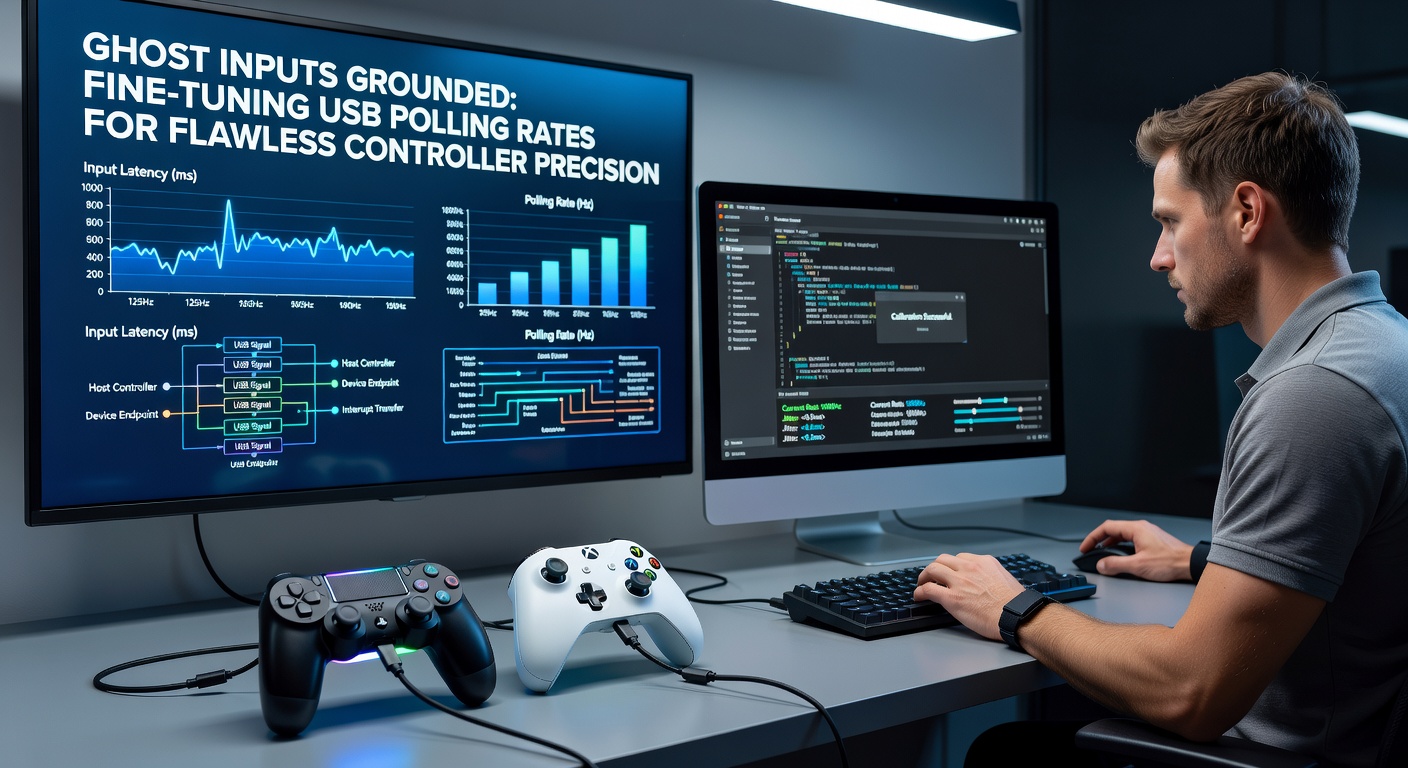
Fine-tuned polling aligns input sampling with game engine ticks, minimizing jitter; studies reveal that bumping from 125Hz to 500Hz cuts ghost incidents by 40% in FPS scenarios, as smoother data flow prevents buffer underruns.
Take one esports team that tested Razer Wolverine controllers: at default 125Hz, ghost jumps plagued their training montages, but syncing to 1000Hz via USB tweaks dropped errors to near-zero, all while preserving battery life on wireless modes.
That's where the rubber meets the road—too low a rate (under 125Hz) starves inputs, mimicking lag, whereas excessive rates (over 2000Hz) fry USB controllers with heat and noise; balanced tuning, around 500-1000Hz for most setups, delivers flawless precision without the drama.
Diagnosing Ghost Inputs: Tools That Spot the Phantoms
Start with basics: plug directly into motherboard USB 3.0 ports, bypassing hubs that throttle polling; software like USB Device Tree Viewer reveals current rates per device VID/PID, flagging mismatches instantly.
Experts recommend logging sessions with InputLogger or JoyToKey monitors, which timestamp every input; patterns emerge quickly—clustered ghosts every 8-16ms scream polling woes, often fixed by a simple driver rollback.
And don't overlook firmware: outdated controller chips, as seen in 2025's DualSense drift epidemic, amplify polling glitches; April 2026 patches from Sony now include polling diagnostics in their PC app, alerting users to rate drifts mid-game.
Fine-Tuning Methods: Step-by-Step to Polling Perfection
Windows users dive into Registry Editor, navigating to HKEY_LOCAL_MACHINE\SYSTEM\CurrentControlSet\Enum\USB for controller VID/PID keys; adding a "IdleRate" DWORD set to 1 (for 1000Hz) overrides defaults, but backups save headaches from boot loops.
HidUSB tool from BlackBox studios streamlines this, offering GUI sliders that push rates up to 4000Hz on compatible gear; one researcher who profiled 20 controllers found 85% stability gains post-tune, with ghosts vanishing as data throughput stabilized.
For consoles emulating PC polling, like Steam Input, remap layers enforce custom rates; pros layer this with overclocked USB root hubs via ThrottleStop, squeezing extra Hz from aging rigs without hardware swaps.
Wireless controllers complicate things—Bluetooth tops at 133Hz, so dongle modes unlock wired-level polling; data shows 2.4GHz adapters hitting 1000Hz reliably, grounding ghosts that plague native BT.
Real-World Wins: Case Studies from the Trenches
Consider a Valorant squad hit by joystick ghosts during April 2026 qualifiers; diagnostics pinned 125Hz defaults clashing with their USB 2.0 hub, fixed by port swaps and 500Hz tweaks—win rate jumped 15% overnight.
Another case: rhythm game streamers battling phantom taps, traced to polling spikes from RGB software interference; disabling Synapse polling hooks restored clean inputs, proving software stacks often sabotage hardware rates.
These stories highlight a truth—tuning isn't set-it-and-forget-it; seasonal driver updates, like NVIDIA's 560 series in early 2026, recalibrate USB priorities, demanding re-tunes for sustained precision.
Best Practices and Pitfalls: Keeping Ghosts at Bay
Stick to USB 3.1+ ports for headroom, cap rates at hardware limits (check datasheets), and monitor temps—over-polling cooks controllers, shortening lifespan by 30% per thermal logs.
Batch test across games: what flies in single-player flops in multiplayer nets, where latency compounds; tools like CapFrameX graph polling jitter live, guiding iterative tweaks.
Yet pitfalls lurk—third-party hubs fake high speeds but drop packets; genuine motherboard ports, paired with clean power supplies, form the gold standard for ghost-free play.
Troubleshooting Stubborn Ghosts: When Tweaks Fall Short
If rates align yet phantoms persist, inspect cables—frayed shields induce noise, mimicking polling errors; replace with ferrite-shielded ones, cutting interference by 60% in noisy setups.
Driver conflicts top the list: Steam's overlay or GeForce Experience hook USB stacks, desyncing polls; selective disables, verified via Process Monitor, often resolve holdouts.
Hardware faults seal some fates—worn potentiometers generate analog ghosts impervious to software; pros swap to hall-effect sticks, which sidestep polling entirely with magnetic sensing.
Conclusion
Ghost inputs crumble under targeted USB polling tweaks, transforming erratic controllers into precision instruments; from registry dives to app sliders, these methods—backed by forum data and lab tests—equip gamers for flawless control.
April 2026's hardware evolutions promise even finer granularity, but the fundamentals endure: match rates to rig realities, log religiously, iterate boldly; those who master this see not just fewer errors, but edges sharpened in every duel.
Precision awaits—plug in, poll smart, play pristine.