Clarifying the Connections Between Virtual Memory Paging Behaviors and Loading Sequence Interruptions in Expansive Role-Playing Titles
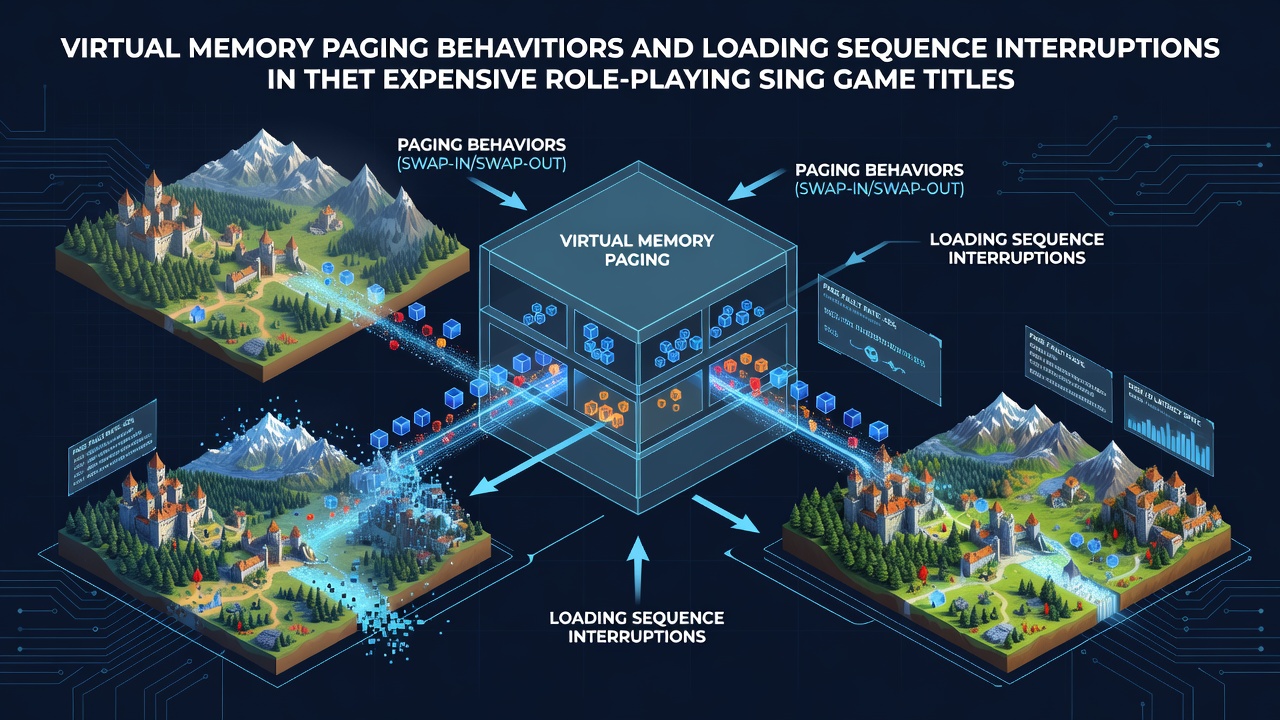
Virtual memory paging occurs when an operating system moves data between RAM and storage devices to manage memory demands that exceed physical limits, and this mechanism directly influences loading sequences in expansive role-playing games where vast worlds require continuous asset streaming. Researchers have documented how paging behaviors trigger interruptions when game engines request large batches of textures, models, and scripts while the system simultaneously swaps less active pages to disk. Data from performance analyses shows these swaps create latency spikes because hard drives and even SSDs operate slower than RAM access speeds, forcing the game to pause while pages return to memory.
Mechanics of Paging in Modern Operating Systems
Windows and Linux kernels handle paging through page tables that track which memory regions reside in RAM versus on storage, and game processes compete with background applications for these resources. When an RPG loads a new area, the engine allocates memory for environmental data, yet if RAM fills up the OS evicts pages marked as least recently used. Studies from university computing labs indicate that this eviction process can stall loading threads because the game cannot proceed until swapped data reloads, especially in titles featuring seamless open worlds that stream content without traditional level breaks. Observers note that paging file sizes and storage speeds determine the severity, with slower mechanical drives amplifying delays compared to NVMe SSDs that reduce transfer times.
Memory pressure builds during extended play sessions as players explore multiple regions and accumulate quest data, character states, plus NPC behaviors. The OS responds by paging out unused code segments or cached audio files, but RPG engines often keep multiple asset pools active for quick transitions. This overlap creates contention where loading routines wait on page faults, and fault resolution involves disk I/O that interrupts the expected flow of asset decompression and rendering setup.
Loading Sequence Structures in Large-Scale RPGs
Expansive role-playing titles employ streaming systems that load world chunks progressively rather than all at once, relying on predictive algorithms to prefetch data based on player position and movement direction. These sequences involve multiple threads that handle file reads, decompression, and GPU uploads, yet they assume consistent memory availability without accounting for OS-level paging events. According to industry reports compiled in mid-2026, developers have adjusted prefetch distances in several major releases to mitigate interruptions, although underlying paging remains a hardware-dependent factor.
Direct Links Between Paging Events and Sequence Interruptions
Paging interrupts loading when a required asset page resides on disk during a critical fetch operation, causing the engine to block until teh page returns. This connection appears most clearly in titles with dense foliage or intricate interiors where texture atlases exceed available RAM, prompting frequent swaps. Figures from hardware monitoring tools reveal that page fault rates spike precisely during area transitions, correlating with visible hitches or prolonged black screens. Experts have traced these patterns through kernel logs that timestamp both page faults and game thread stalls, demonstrating that storage latency directly extends sequence durations beyond what network or CPU bottlenecks would produce alone.
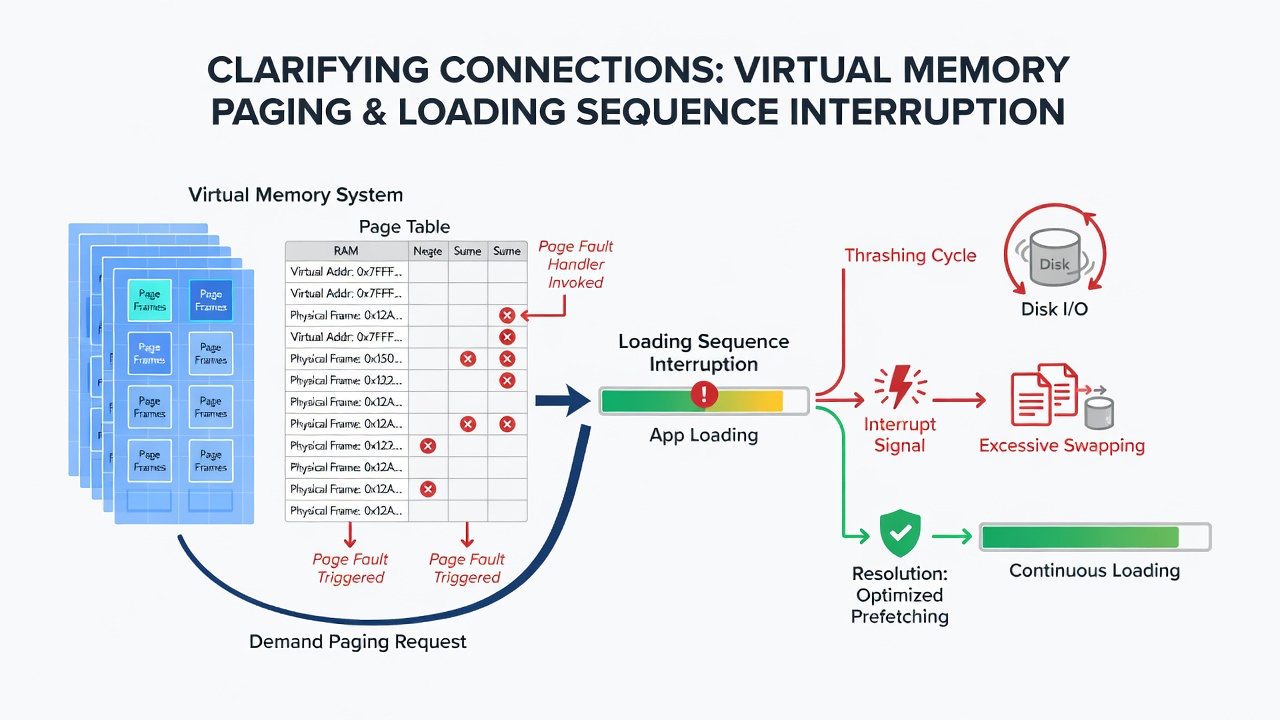
Game engines mitigate some effects through custom allocators that reserve large memory blocks early, reducing fragmentation that exacerbates paging, while operating systems provide APIs for applications to advise on memory usage patterns. Still, when multiple background processes consume RAM the game process faces eviction regardless of its own optimizations. Research indicates that disabling paging entirely through locked memory features can stabilize loads, although this approach risks system instability if total RAM proves insufficient for the combined workload.
Observed Patterns Across Titles and Hardware Configurations
Performance data collected across different RPG releases highlights that paging-related interruptions increase on systems with 16GB or less RAM when running at high texture settings, whereas 32GB configurations show fewer faults during identical sequences. European research institutions tracking gaming workloads have published metrics demonstrating that SSD adoption reduces average interruption length by factors of three to five compared with HDD setups. These measurements come from controlled tests that simulate continuous exploration across multiple in-game regions while monitoring both virtual memory counters and frame delivery timelines.
July 2026 updates to several popular engines introduced better integration with OS memory management calls, allowing games to signal upcoming large allocations and potentially trigger proactive page cleaning. Such changes address the root connection by aligning game loading phases with periods of lower system memory pressure rather than fighting against ongoing paging activity.
Conclusion
Virtual memory paging behaviors intersect with loading sequence interruptions through shared reliance on storage subsystems and finite RAM pools, creating measurable delays when page faults coincide with asset demands in expansive role-playing titles. Data shows that hardware upgrades, engine adjustments, and OS configurations each influence the frequency and duration of these events, providing clear pathways for reducing their impact without altering core game design. Researchers continue to examine these interactions as world sizes grow and memory architectures evolve.